
Restoring Windows in Conservation Areas
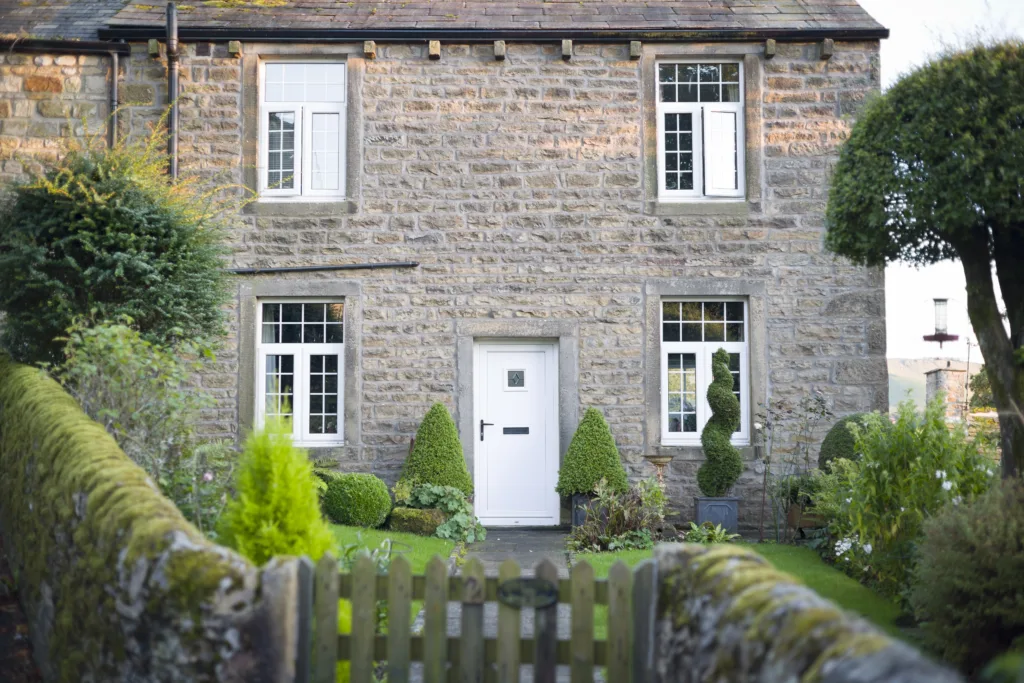
A practical look at how to keep period character while improving comfort and performance.
Conservation areas protect the character that makes a street, village, or neighbourhood special, and windows are often the biggest factor in how a period property looks from the outside. If you live in a conservation area, you already know restoring old windows isn’t as simple as picking whatever is on offer at a local supplier. You must choose materials correctly and avoid costly mistakes if the work isn’t handled properly. This guide explains what window restoration in a conservation area actually involves, and how to approach it the right way.
What Makes Conservation Areas Different?
A conservation area is a part of the country recognised for its special architectural or historic interest. Local planning authorities protect these areas through additional controls that go beyond normal permitted development rights. That means changes to windows, particularly on the front elevation, often require planning permission or listed building consent, even for repairs that would be easier elsewhere.
This is why homeowners in conservation areas frequently ask the same question: “Can I just replace my old timber windows with something modern, or do I need to restore what is already there?” For the most part, the answer leans firmly towards restoration and a similar modern repair.
Why Window Restoration Matters in Conservation Areas
Preserving historic character: Original timber windows often carry design details, such as glazing bars, mouldings, and sash proportions, that modern replacements cannot easily replicate.
Meeting planning requirements: Local authorities frequently require window restoration over replacement, and unauthorised changes can lead to enforcement action.
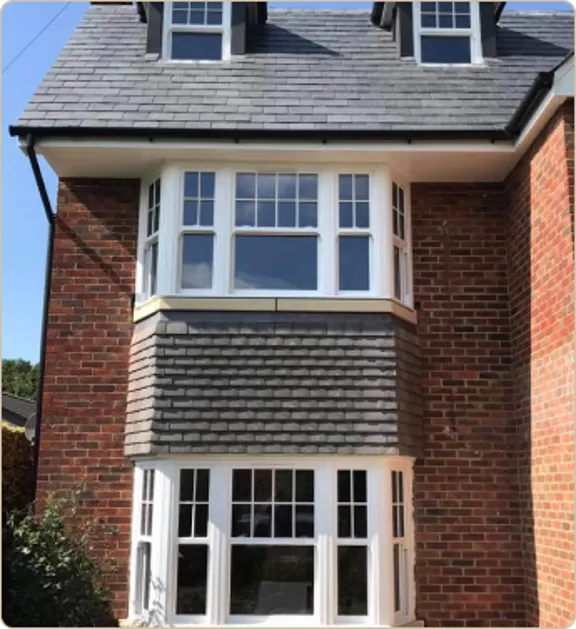
Protecting property value: Homes in conservation areas with well maintained original windows tend to hold their value and appeal to buyers who specifically want that period character.
Sustainability: Restoring existing timber windows is often more sustainable than manufacturing and disposing of replacement units, and quality timber can be repaired repeatedly over generations.
Common Window Restoration Challenges
Restoring windows in a conservation area comes with its own set of hurdles. Here are the main challenges to expect:
Matching original materials: Sourcing timber, glass, and ironmongery that matches the age and style of the property takes experience and the right supplier relationships.
Balancing authenticity with performance: Homeowners want warmth and efficiency, but the finished window still needs to look right for a period property.
Navigating planning rules: Every local authority interprets conservation guidance slightly differently, so understanding local requirements is essential before work begins.
Working with deteriorated timber. Years of weather exposure can mean rot, warping, or damaged sections that need careful assessment rather than a blanket approach.
Sash cords and mechanisms: Older sash windows often need cords or pulleys repaired so the window opens and closes smoothly again.
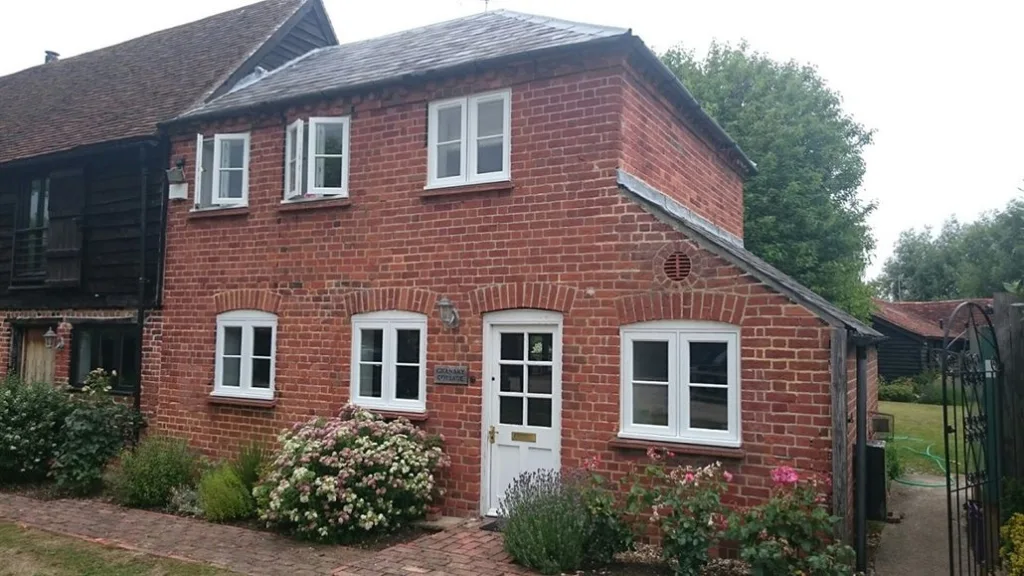
The Window Restoration Process
A proper conservation area window restoration usually follows a few key stages:
Assessment. A specialist surveys each window to determine what can be repaired, what needs replacing, and what the local planning authority will likely require.
Timber repair or splicing: Where sections of the frame or sash have rotted or split, skilled joiners cut out the damaged area and splice in matching timber, rather than replacing the whole window.
Refurbishing ironmongery. The original hinges, handles, sash cords, and fittings are cleaned, repaired, or replicated to match the period style.
Draught proofing and glazing upgrades: Secondary glazing or slim double-glazing units can often improve efficiency without altering the external appearance, keeping both conservation officers and energy bills happy.
Finishing: A carefully chosen paint or stain finish protects the timber against the weather and helps the window sit comfortably alongside the rest of the street.
Choosing the Right Team for the Job
Window restoration in conservation areas is a specialist skill, not a general repair job. It requires a genuine understanding of period properties, planning requirements, and traditional joinery techniques. At IN&G Services, we work extensively across conservation areas in London, carrying out sensitive restoration on timber windows that respects the property’s history while improving comfort and performance. We understand what local planning authorities expect, and we know how to deliver results that pass inspection without compromising on quality.
Getting Started on Your Window Restoration
If you are planning window restoration work in a conservation area, the best first step is a proper assessment before you make any decisions. This helps you understand what planning permission you may need and what the realistic costs and timescales look like. It also gives you a clear picture of priorities, so urgent repairs can be tackled first while longer term work is planned around your budget and the seasons best suited to timber restoration.
Final Thoughts
Restoring windows in a conservation area is about more than compliance. It is about preserving the character that drew you to the area in the first place, while making sure your home stays warm, secure, and functional for years to come. If you need expert help navigating window restoration in a conservation area, get in touch with IN&G Services for advice tailored to your property and your local planning requirements.