
Reviving Your Home’s Charm: A Guide to Timber Restoration in London
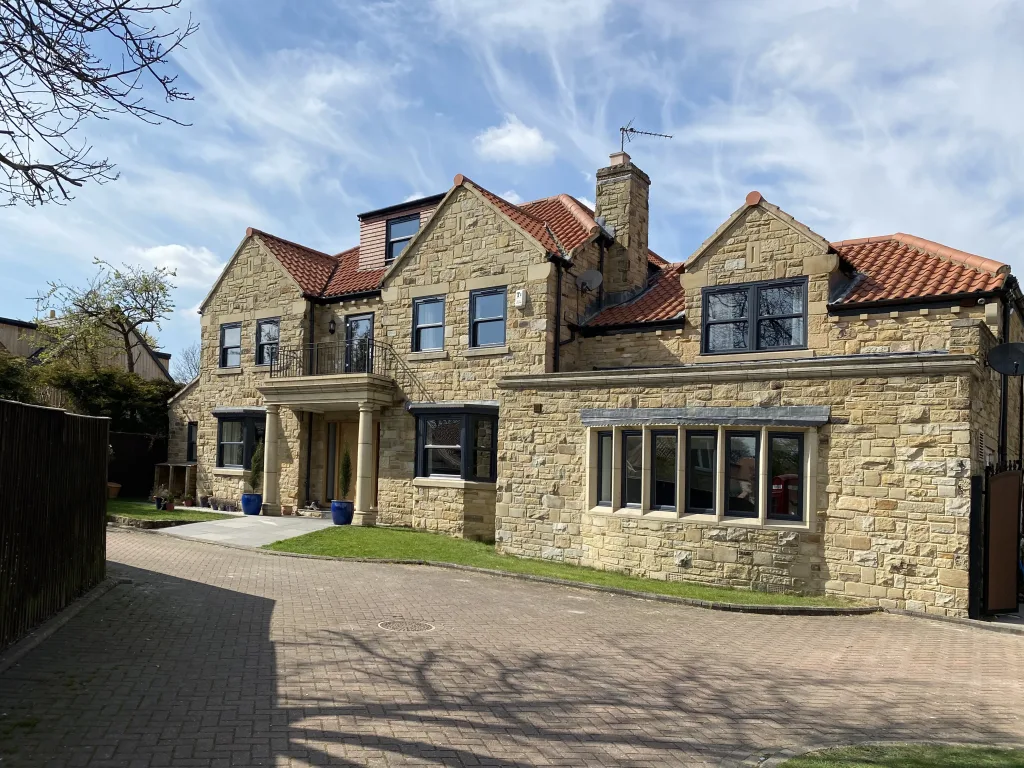
Timber has a warmth and character that modern materials struggle to match. Original timber windows, doors, and frames often give a period property its identity, but years of weather, wear, and neglect can leave that timber looking tired and worn. The good news is that timber restoration can bring those original features back to life, often at a fraction of the cost of full replacement. This guide covers what timber restoration involves, why it matters, and how to know if it is the right choice for your home.
Why Timber Restoration Is Essential
Timber is a durable, natural material that can last for generations when it is looked after properly. Unlike modern uPVC or aluminium, timber can be repaired, sanded, and refinished repeatedly, which makes restoration a genuinely sustainable choice.
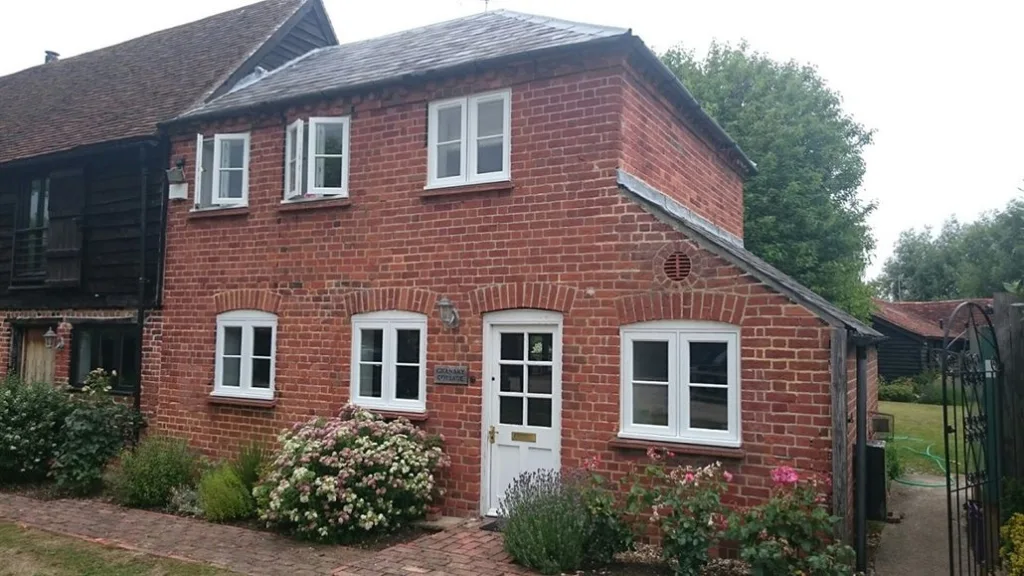
Preserving original character: Timber windows and doors often carry design details, mouldings, and proportions not available in modern replacements.
Protecting property value: Homes with well-kept original timber features often appeal to buyers looking for authentic period charm, which can help improve the value of the timber windows
Cost effective in the long run: Restoration is usually cheaper than a full timber window replacement, particularly when only certain sections of timber need attention.
Better for the environment: Repairing existing timber avoids the waste and manufacturing impact of producing entirely new units.
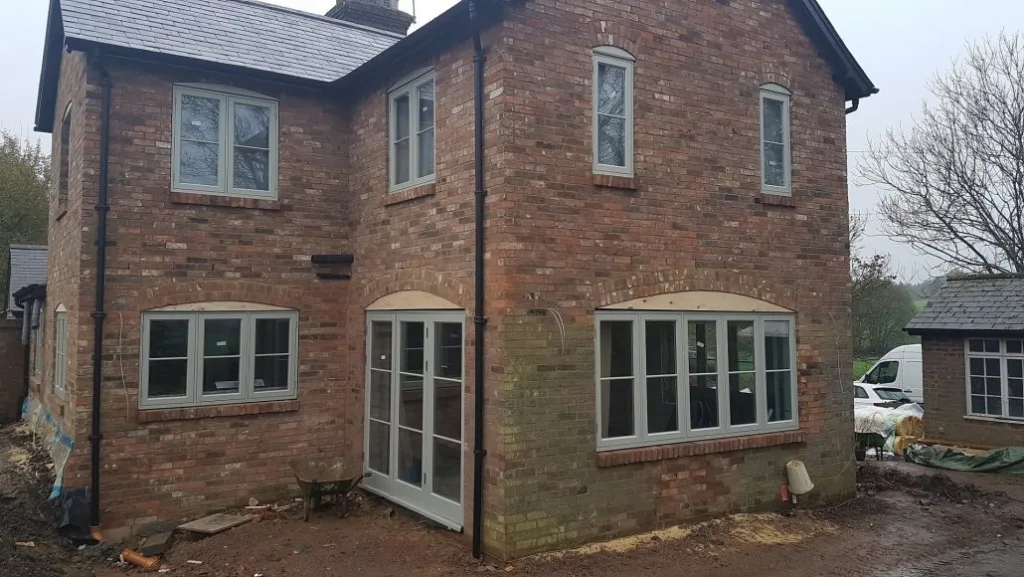
Signs Your Timber Windows Need Replacing
Timber restoration is not just about fixing damage that is already obvious. Spotting the early signs can save you time and money down the line.
- Peeling or flaking paint. This often means moisture is getting into the timber underneath, and it is worth acting before it turns into rot.
- Soft or spongy timber. This is a clear sign of rot and should be dealt with promptly to stop it spreading further.
- Sticking doors or windows. Swelling from moisture, or a frame that has shifted slightly, can often be corrected without full replacement.
- Draughts around frames. Gaps and worn seals let cold air in, but these are usually straightforward to fix as part of a restoration.
- Faded or discoloured finish. Sun exposure breaks down protective coatings over time, leaving timber vulnerable if it is not refinished.
What the Timber Restoration Process Involves
A proper timber restoration project usually follows a clear set of stages, each designed to get the most life out of the existing material.
- The First Assessment: A specialist inspects the timber to identify rot, damage, or wear, and decides what can be repaired and what must be replaced.
- Removing Damaged Sections: Where rot or splitting has taken hold, the affected timber is carefully cut away rather than discarding the whole piece.
- Splicing in new timber: Next, the skilled joiners splice matching timber into the damaged area, preserving the original structure and appearance.
- Sanding and Prepping the Surface: The surface is sanded back to remove old paint, stain, or damaged wood fibres, creating a clean base for refinishing.
- Treating and Protecting: Wood preservatives and treatments help protect against future rot, insects, and moisture damage.
- The Finishing Touches: A quality paint or stain finish restores the appearance and adds a protective layer against the weather, helping the timber look as good as new.
Restoration Versus Replacement
It is worth weighing up restoration against replacement before starting any work. Restoration tends to make the most sense when:
- The timber frame or structure is still fundamentally sound
- Only isolated sections show rot or damage
- You want to preserve a period look, particularly in a conservation area
- Budget is a key consideration
Replacement may be the better option when timber has widespread rot, structural movement is severe, or ongoing repairs are becoming a regular and costly occurrence. A good specialist will always assess honestly rather than pushing towards the more expensive option by default.
Maintaining Timber After Restoration
Once your timber has been restored, a little ongoing care goes a long way towards protecting your investment. Here are some helpful tips:
- Repaint or re-stain every few years to keep the protective finish intact
- Check seals and weatherstripping annually to help prevent draughts
- Clear debris from frames and sills to prevent moisture build up.
- Address small issues quickly before they develop into bigger repairs.
Trust the Experts
Timber restoration is a skilled trade that rewards experience and attention to detail. At IN&G Services, we specialise in restoring timber windows and doors across London, bringing weathered timber windows back to their best while respecting the property’s original character. Whether you need a small repair or a full restoration, our team can assess the work required and deliver a finish built to last.
Revive Your Timber Windows With IN&G Services
Reviving your home’s timber does more than improve its appearance; it protects your property, preserves its character, and adds long term value. If your windows, doors, or timber frames are showing signs of wear, get in touch with IN&G Services for expert advice on restoring them properly and retaining your London home’s charm.