
Should You Replace a Tired or Old Timber Door?
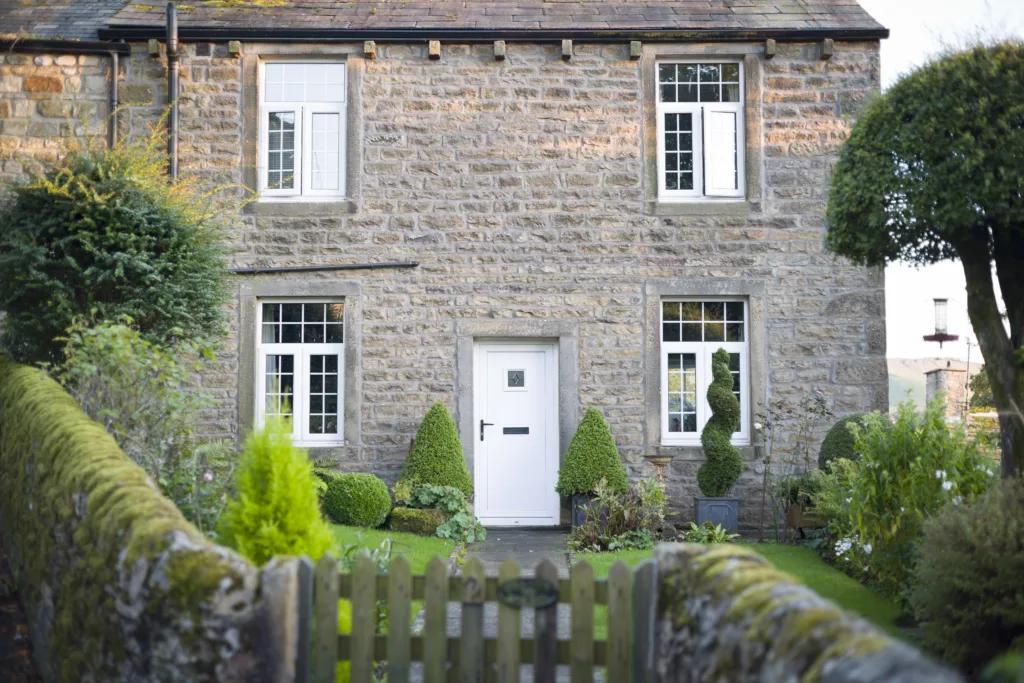
A tired timber door is one of those problems that creeps up slowly. One day it swings freely; the next it is sticking in the frame, letting in a draught, or looking a little worse for wear next to the rest of your home. If you are asking whether to repair or replace a timber door, you are not alone. It is one of the most common questions we hear at IN&G Services, and the honest answer is that it depends on a few key factors we will walk through below.
Signs Your Timber Door Needs Attention
Before deciding between timber door repair and full replacement, it helps to understand what is actually going wrong. Common issues include:
Sticking or jamming: This is often caused by humidity swelling the wood, or by the frame shifting slightly over time. It does not always mean the door is beyond saving.
Draughts and cold spots: If you can feel air moving around the edges, the seals or weatherstripping may simply need replacing rather than the whole door.
Rot or splitting timber: Localised rot, particularly near the bottom of the door or around the frame, can often be cut out and repaired with timber splicing rather than a full replacement.
Warping: A door that has bowed out of shape is harder to correct and, depending on the severity, may point to replacement.
When Is It Time to Repair Your Timber Door?
Timber doors are built to last, and that is part of their appeal. Solid wood can be sanded, treated, and refinished many times over, which makes repair a genuinely good option in plenty of cases. If the frame is sound, the hinges are in reasonable shape, and the damage is limited to the surface or a small section of timber, repair is usually the more cost effective route. It also keeps the original character of your door and, in conservation areas or period properties, may be the only option planning restrictions allow.
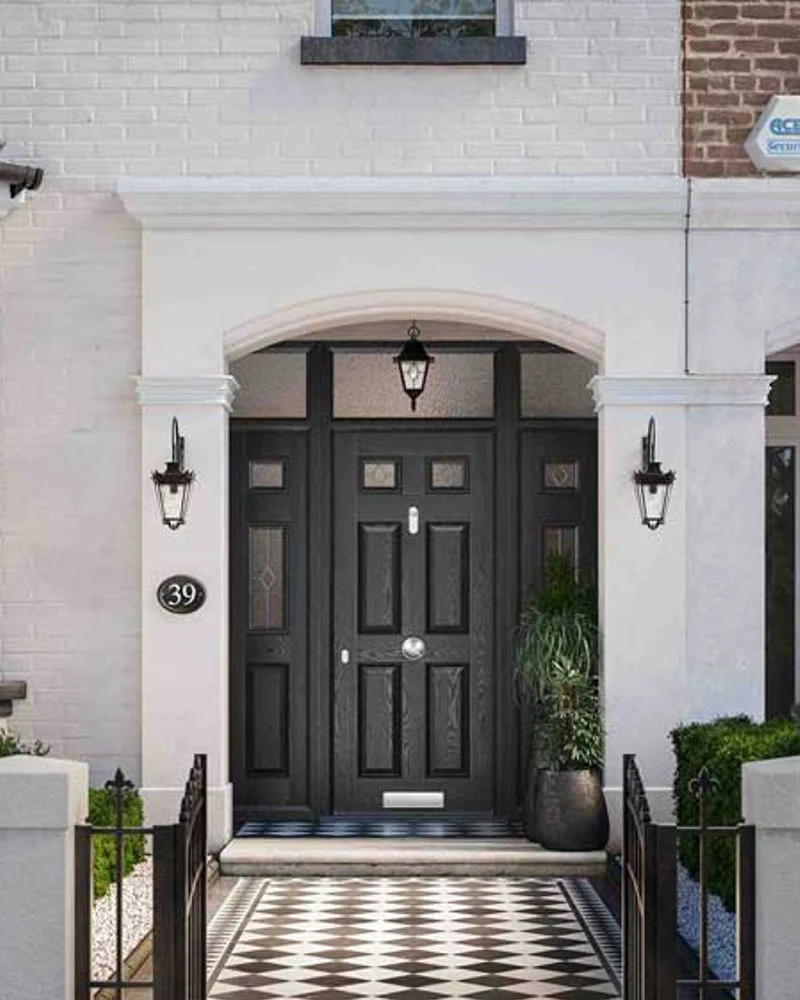
Typical repairs include:
- Re-hanging and adjusting a door that has dropped on its hinges
- Replacing weatherstripping to cut draughts and improve energy efficiency
- Timber splicing to cut out and replace a rotten section
- Repainting or re-staining to refresh the finish and add weather protection
- Draught proofing around the frame for a warmer, quieter home
When It’s Time to Replace Your Door
There comes a point where repair simply is not worth it, either because the cost starts to rival a new door, or because the underlying problems keep coming back. Signs it is time to replace rather than repair include:
- Widespread rot affecting large sections of the door or frame
- Significant warping that repeated adjustment cannot fix
- Repeated draughts even after weatherstripping and sealing
- Poor energy efficiency, especially if you are trying to reduce heating bills
- Security concerns, as older timber doors may lack modern locking standards
A new timber door also lets you improve insulation and security without losing the traditional look. Modern timber doors are engineered to resist warping and rot far better than older stock, so you get the aesthetic of a classic timber door with none of the maintenance headaches.
Weighing Up Cost Against Long Term Value
Repair is almost always the cheaper option in the short term, but it is worth thinking about long term value rather than just the initial price. A door that needs repairing every year or two may end up costing more over time than a well made replacement that lasts decades with minimal upkeep. On the other hand, if your timber door is structurally sound and simply needs some care, there is no reason to replace something that has years of life left in it.
Getting Expert Advice
The honest truth is that the right answer varies from door to door, which is why an on-site assessment is so useful. At IN&G Services, we carry out repair, restoration, and new installation work across London, including sensitive conservation area projects where matching the existing style matters. Our team can assess your door, explain what is happening structurally, and give you a straightforward recommendation rather than pushing the more expensive option by default.
Final Thoughts
Whether your timber door needs a little TLC or a full replacement, getting it right protects your home’s security, warmth, and kerb appeal. If your door is sticking, draughty, or showing signs of wear, contact IN&G Services for an honest assessment and expert advice on the best way forward, whether that means restoring what you have or fitting a beautiful new timber door built to last.